Introduction
In today's fast-paced world, accidents and emergencies can happen at any time. Whether you are at home, on the road, or outdoors, it is crucial to have an essential kit for first aid to be prepared for the unexpected. A well-stocked first aid kit can mean the difference between life and death in critical situations. This article will guide you through the best practices for assembling a complete first aid kit, including essential items, and provide valuable insights on how to handle emergency situations effectively.
Essential Kit for First Aid: Be Ready for the Unexpected
When it comes to creating an essential kit for first aid, it is important to consider various factors such as location, purpose, and potential risks. By having a well-prepared first aid kit, you can respond promptly and appropriately in times of need. Here are some key essentials that should be included in your kit:
1. Best First Aid Kit in Texas
- Living in Texas means being prepared for unpredictable weather conditions and potential natural disasters. Having the best first aid kit specifically designed for Texas residents ensures that you have all the necessary supplies to handle emergencies effectively.
2. Complete First Aid Kit
- A complete first aid kit consists of a wide range of medical supplies that cater to different types of injuries or emergencies. It should include items such as bandages, antiseptic ointments, gloves, scissors, tweezers, and more.
3. First Aid Kit Essentials
- Certain items are considered essential in any first aid kit regardless of its purpose or location. These essentials include adhesive bandages, sterile gauze pads, adhesive tape, antiseptic wipes, pain relievers, CPR mask, and emergency contact information.
4. Emergency Medical Kit
- An emergency medical kit is specifically designed to handle life-threatening injuries or emergencies. This kit should include items such as tourniquets, trauma dressings, Israeli bandages, chest seals, and hemostatic agents.
5. First Aid Kit for Home Safety
- Having a first aid kit at home is crucial for ensuring the safety and well-being of your family members. It should contain basic medical supplies and medications suitable for common injuries or illnesses that may occur at home.
6. Basic Medical Supply
- A basic medical supply is a collection of essential items that can be used to treat minor injuries or illnesses. It includes items like adhesive bandages, antiseptic ointments, pain relievers, thermometer, and tweezers.
7. Best Emergency First Aid Kit
- The best emergency first aid kit is one that suits your specific needs and circumstances. It should be comprehensive, well-organized, and easily accessible in times of need.
8. Essential Kit for First Aid
- An essential kit for first aid is a carefully curated collection of items that cover a wide range of emergency situations. It includes essentials like bandages, medications, tools, and instructions on how to administer basic first aid.
FAQs (Frequently Asked Questions)
Q1: What should I consider when selecting a first aid kit?
A1: When selecting a first aid kit, consider factors such as location, purpose, potential risks, and the number of people it needs to cater to. Ensure that the kit contains all the necessary essentials to handle various emergencies effectively.
Q2: How often should I check and restock my first aid kit?
A2: It is recommended to check your first aid kit regularly, ideally every six months. Replace expired items and restock any supplies that have been used or are running low.
Q3: Can I customize my first aid kit according to my specific needs?
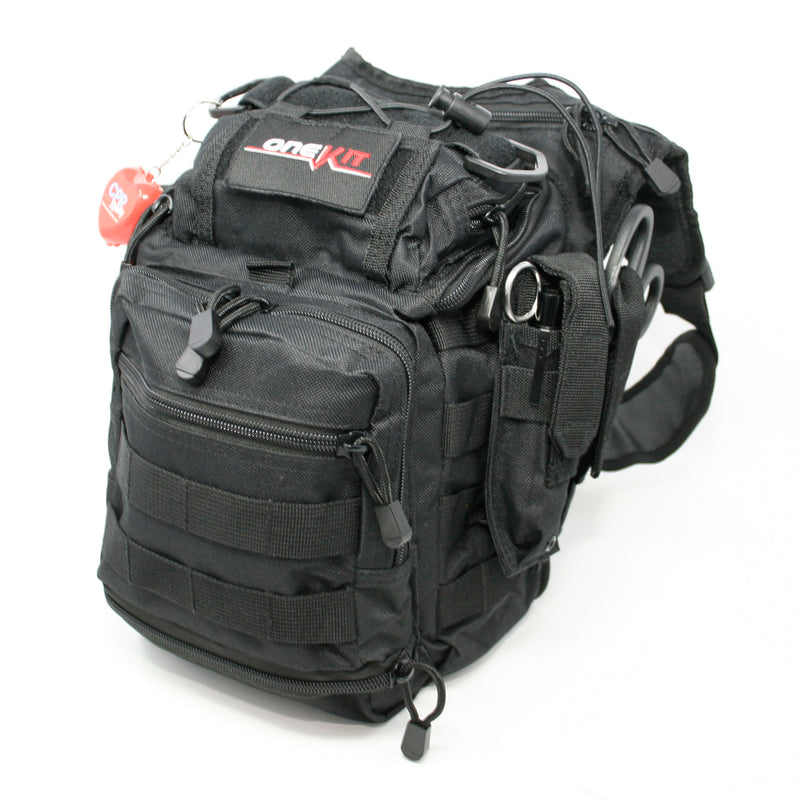
A3: Yes, you can customize your first aid kit to cater First Aid Kit for Home Safety to your specific needs. Consider any medical conditions or allergies within your household and include any necessary medications or supplies.
Q4: Should I receive training in first aid and CPR?
A4: It is highly recommended to receive proper training in first aid and CPR. Knowing how to administer basic life-saving techniques can greatly increase the chances of survival in emergency situations.
Q5: Are there any additional items I should consider adding to my first aid kit?
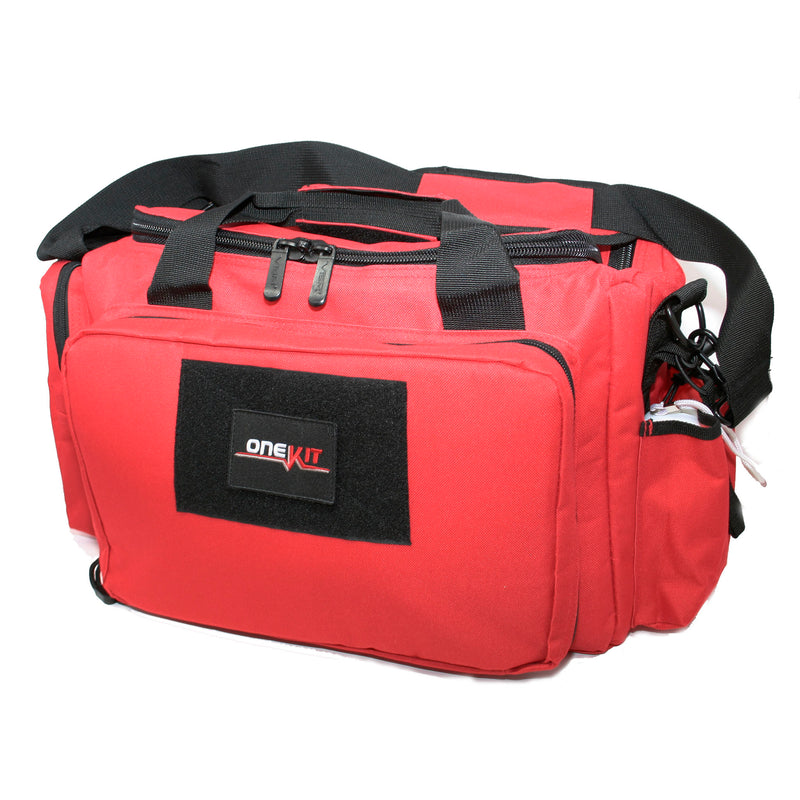
A5: Depending on your location and specific needs, you may consider adding items such as insect repellent, sunscreen, emergency blankets, multi-tool, or a whistle for signaling help.
Q6: How can I stay updated on the latest first aid techniques and practices?
A6: Stay updated by regularly attending first aid and CPR courses offered by certified organizations. Additionally, keep yourself informed through reputable online sources and stay connected with local emergency services for any updates or changes in protocols.
Conclusion
Being prepared for unexpected emergencies is crucial for the safety and well-being of ourselves and our loved ones. By having an essential kit for first aid readily available, we can effectively respond to emergencies and potentially save lives. Remember to regularly check and restock your first aid kit, customize it according to your specific needs, and stay up-to-date with the latest techniques and practices in first aid. By doing so, you can be confident in your ability to handle unexpected situations with confidence and expertise. So don't wait until it's too late – start assembling your essential kit for first aid today!