Introduction
Accidents can happen at any time, and being prepared with a first aid kit is essential for ensuring the safety of your family. A well-stocked first aid kit can provide immediate medical assistance in case of injuries, helping to prevent further complications. In this article, we will discuss the importance of having a first aid kit for home safety and provide a comprehensive guide on creating the best first aid kit for your family's needs.
Best First Aid Kit in Texas: Ensuring Your Family's Safety
Having the best first aid kit in Texas is crucial to ensure that your family is protected from accidents. Whether it's a minor cut, burn, or sprain, having the necessary medical supplies readily available can make all the difference in providing immediate care. So, what should you look for when choosing the best first aid kit?
:max_bytes(150000):strip_icc()/HLT-HOMESTOCK-PLUS-PROFESSIONAL-FIRST-AID-KIT-TRAUMA-KIT-WITH-LABELLED-COMPARTEMENTS-MOLLE-SYSTEM-JHETT-1388-b8647cf596f04e4690d3d010a6784ef9.jpg)
Complete First Aid Kit: A Comprehensive Solution
A complete first aid kit should contain all the essential items needed to handle common injuries and emergencies. Here are some key items that should be included:
Bandages of various sizes (adhesive and elastic) Sterile gauze pads Adhesive tape Antiseptic wipes Tweezers and scissors Disposable gloves Pain relievers (such as acetaminophen or ibuprofen) Antihistamines for allergies Thermometer CPR maskBy ensuring that your first aid kit includes these essential items, you can be better prepared to handle various situations effectively.
First Aid Kit Essentials: What You Shouldn't Miss
Apart from the basic items mentioned above, there are a few additional essentials that you shouldn't miss when assembling your first aid kit:
Emergency blanket: These blankets are designed to retain body heat and can be crucial in cases of hypothermia or shock. Hydrocortisone cream: Useful for relieving itching and inflammation caused by insect bites or rashes. Eyewash solution: In case of eye injuries or irritations, having an eyewash solution can be invaluable. Instant cold packs: These packs provide instant cooling relief for sprains, strains, and other injuries.By including these additional essentials in your first aid kit, you can enhance its effectiveness and address a wider range of medical situations.
Emergency Medical Kit: A Must-Have for Home Safety
An emergency medical kit is an essential component of home safety. While a first aid kit is focused on providing immediate care for minor injuries, an emergency medical kit goes a step further by equipping you to handle more serious situations until professional help arrives. Here are some key items to include in your emergency medical kit:
Basic Medical Supply: Ensuring Adequate Care
Sterile dressings and adhesive tape Splinting materials (such as wooden boards or padded splints) Triangular bandages Sterile eyewash solution Disposable gloves CPR mask with one-way valve Rescue breathing barrier Oral thermometerHaving these basic medical supplies in your emergency medical kit will enable you to provide adequate care and support during emergencies.
Best Emergency First Aid Kit: What Sets It Apart?
When choosing the best emergency first aid kit, there are a few factors to consider that set it apart from regular first aid kits:
Advanced wound care items: Including items like sutures, wound closure strips, or liquid bandages can help address more severe injuries. Tourniquet: In extreme cases of bleeding, a tourniquet can be used as a last resort to stop excessive blood loss. Burn dressings: Burns can range from minor to severe, and having specialized burn dressings in your emergency kit can provide better care.By investing in the best emergency first aid kit, you can be prepared for a wider range of emergencies and ensure the safety of your family.
Essential Kit for First Aid: A Step-by-Step Guide
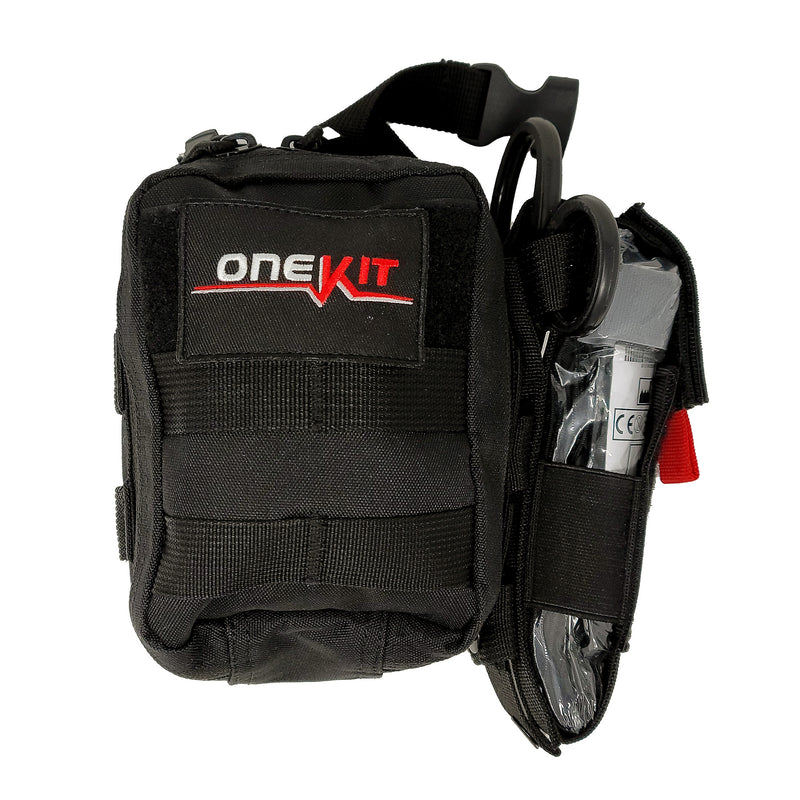
Creating an essential first aid kit for your home is a step-by-step process that ensures you have all the necessary supplies in place. Here's a guide to help you assemble your first aid kit:
Step 1: Choose the Right Container
Select a sturdy container that is large enough to hold all the medical supplies while still being easily portable. Consider using a waterproof and durable container to protect the contents from moisture or damage.
Step 2: Stock Up on Basic Supplies
Start by stocking up on the essential items mentioned earlier, such as bandages, gauze pads, adhesive tape, and antiseptic wipes. Ensure that you have an adequate supply of each item to last for multiple uses.
Step 3: Add Additional Essentials
Include the additional essentials like emergency blankets, hydrocortisone cream, eyewash solution, and instant cold packs. These items will enhance the effectiveness of your first aid kit.
Step 4: Customize Based on Family Needs
Consider the specific needs of your family members when customizing your first aid kit. For example, if anyone has allergies or requires specific medications, make sure to include them in First Aid Kit the kit.
Step 5: Label and Organize
Label each item in your first aid kit clearly to ensure easy identification during emergencies. Additionally, organize the supplies in a logical manner, making it easier to find what you need quickly.
Frequently Asked Questions (FAQs)
Q: How often should I check my first aid kit? A: It is recommended to check your first aid kit every six months and replace any expired or used items.
Q: Can I buy a pre-made first aid kit? A: Yes, there are various pre-made first aid kits available in the market that can be a convenient option for those who prefer a hassle-free solution.
Q: What should I do if someone is choking? A: Perform the Heimlich maneuver, which involves applying abdominal thrusts to dislodge the object blocking the airway.
Q: Should I include medications in my first aid kit? A: It is advisable to consult with your healthcare provider regarding specific medications to include based on your family's needs.
Q: How should I store my first aid kit? A: Store your first aid kit in a cool and dry place, away from direct sunlight or extreme temperatures.
Q: Can I use my first aid skills to help others outside of my family? A: Absolutely! First aid skills can be valuable in various situations, allowing you to assist others in need and potentially save lives.
Conclusion
Having a well-stocked first aid kit for home safety is an essential aspect of protecting your family from accidents. By assembling a comprehensive kit that includes all the necessary supplies, you can provide immediate care and support during emergencies. Remember to regularly check and update your first aid kit to ensure its effectiveness. By being prepared, you can have peace of mind knowing that you are equipped to handle any medical situation that may arise. Stay safe!